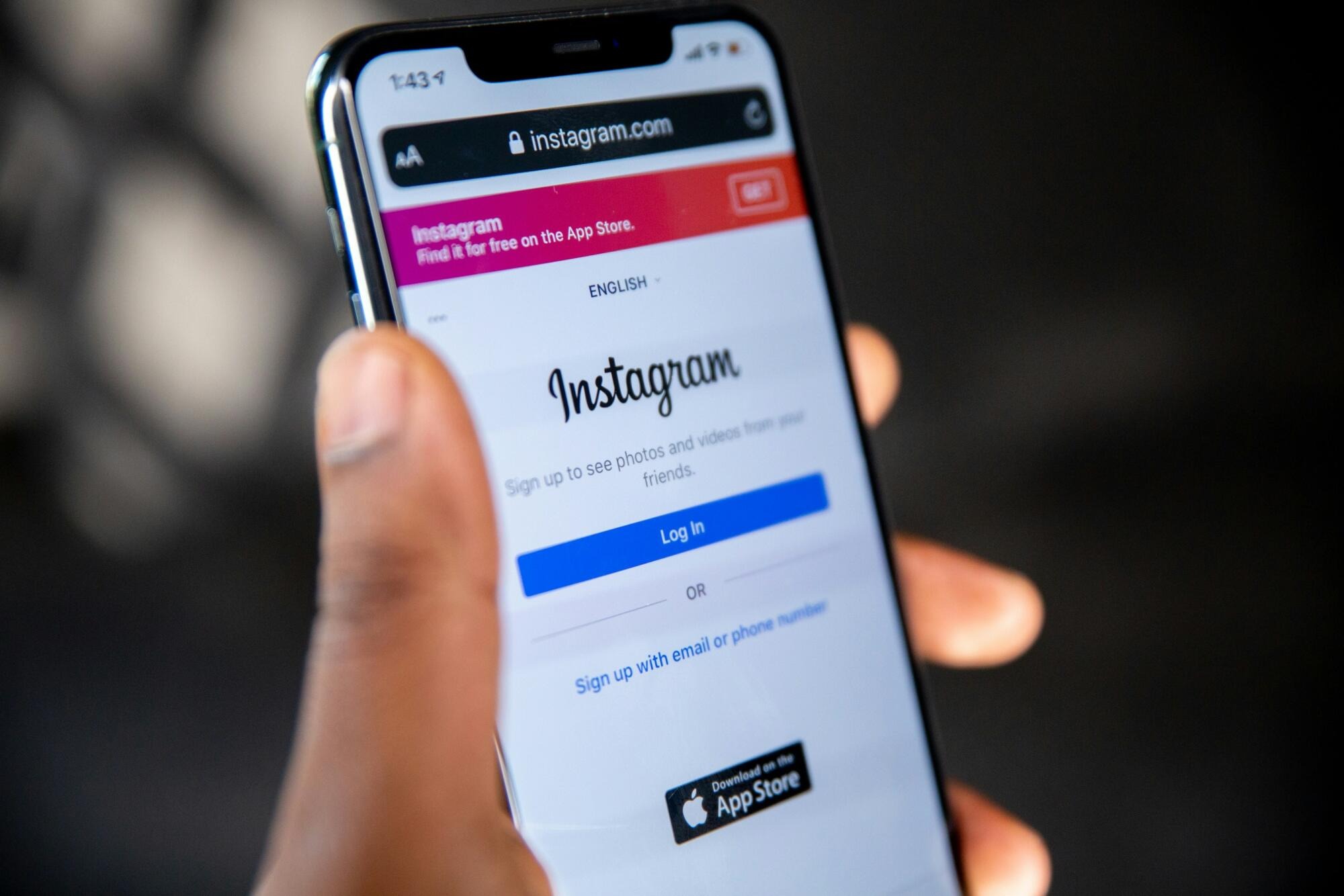
Social media has become an integral part of everyday life, particularly for teenagers and young adults. Platforms like Instagram and TikTok make it easy to stay connected with friends, discover new interests, and consume an endless stream of personalized content. For many people, these platforms are simply another form of entertainment. For others, however, excessive use may contribute to serious mental health challenges that affect relationships, academic performance, emotional wellbeing, and overall quality of life.
Parents throughout California and across the country are increasingly asking difficult questions after watching their children struggle with anxiety, depression, eating disorders, self-harm, or compulsive social media use. As these concerns have grown, so has the number of lawsuits filed against companies such as Meta, the parent company of Instagram, and TikTok. These lawsuits allege that certain platform features were intentionally designed to maximize user engagement, even when prolonged use could contribute to foreseeable psychological harm, particularly among younger users.
If your child or another loved one has experienced significant mental health challenges that you believe may be connected to excessive social media use, you may be wondering whether legal action is possible. While every situation is different, courts throughout the United States continue to evaluate these claims, and many families are seeking answers about their legal rights.
At a Glance
In some circumstances, it may be possible to pursue legal action against Instagram or TikTok if there is evidence that the platform’s design contributed to compulsive social media use and resulted in measurable harm. Current lawsuits generally allege that these companies knowingly incorporated features that encouraged prolonged engagement while failing to adequately protect users, particularly minors. Whether someone has a viable claim depends on the specific facts, the nature of the injuries, and the available evidence supporting the case.
Why Are Families Filing Lawsuits Against Instagram and TikTok?
The lawsuits against Instagram and TikTok are not based on the argument that social media itself is inherently harmful. Millions of people use these platforms every day without experiencing significant problems. Instead, the legal claims focus on allegations that certain design features were intentionally developed to encourage users to remain engaged for longer periods of time, especially children and teenagers whose brains are still developing.
According to allegations raised in ongoing litigation, social media companies invested significant resources into understanding how users interact with their platforms and what keeps them coming back. Plaintiffs claim this research was used to develop features intended to maximize engagement by encouraging users to continue scrolling, watching videos, and reopening the apps throughout the day.
Among the platform features frequently discussed in these lawsuits are infinite scrolling, personalized recommendation algorithms, autoplay videos, recurring notifications, and reward-based interactions such as likes and comments. While each feature may appear relatively harmless on its own, plaintiffs argue that, when combined, they create an experience designed to encourage compulsive use rather than allowing users to disengage naturally.
The companies involved dispute many of these allegations, and the litigation remains ongoing. Nevertheless, these lawsuits have sparked broader conversations about whether technology companies should bear greater responsibility when designing products used by millions of children and teenagers every day.
What Makes Social Media Addiction Different From Normal Social Media Use?
Using Instagram or TikTok for several hours a day does not automatically mean someone is addicted. Just as many people enjoy television, video games, or other forms of entertainment without developing unhealthy habits, most social media users never experience serious psychological consequences.
The concern arises when social media begins interfering with important areas of a person’s life. Rather than serving as a tool for communication or entertainment, it becomes increasingly difficult to reduce usage despite experiencing negative consequences. Mental health professionals often look beyond the amount of time spent online and instead evaluate how social media affects relationships, emotional well-being, school or work performance, sleep, and overall daily functioning.
Someone experiencing compulsive social media use may repeatedly try to reduce screen time without success, become anxious or irritable when unable to access the platforms, withdraw from family and friends, experience declining academic performance, or struggle with worsening symptoms of anxiety or depression. For adolescents, these behavioral changes can be especially concerning because the teenage years represent a critical period of emotional and neurological development.
This distinction is important because current litigation generally focuses on individuals who experienced significant, documented harm rather than those who simply spend a considerable amount of time on social media. The central question is not how often someone used Instagram or TikTok, but whether the platform’s alleged design contributed to serious psychological injuries.
Can You Actually Sue Instagram or TikTok for Addiction?
In some situations, legal action may be possible. However, these lawsuits are far more complex than simply claiming someone spent too much time using social media.
Current claims generally allege that the companies behind Instagram, TikTok, and other platforms designed products that encouraged compulsive use while failing to adequately protect users from foreseeable risks. Many lawsuits rely on legal theories commonly associated with product liability and consumer protection, arguing that companies knew or should have known how certain design features could affect younger users but continued prioritizing engagement over user safety.
Rather than focusing solely on an individual’s personal choices, these cases examine broader questions about product design, corporate responsibility, and whether reasonable steps were taken to reduce foreseeable harm. Courts may consider evidence relating to platform design, internal company knowledge, medical documentation, expert testimony, and the circumstances surrounding the alleged injuries.
Like any complex legal matter, filing a lawsuit does not guarantee compensation. Every claim must be evaluated on its own facts, and whether someone has a viable case depends on the available evidence, the nature of the injuries, and how those injuries may be connected to prolonged social media use.
Who May Be Eligible to File a Social Media Addiction Lawsuit?
Not everyone who spends a significant amount of time on Instagram or TikTok has a legal claim. Current litigation generally involves individuals who allegedly suffered substantial mental health harm that can be linked to prolonged or compulsive use of social media platforms. While every case is unique, many of the lawsuits currently moving through the courts involve teenagers and young adults who developed serious psychological conditions after extended platform use.
Many of these cases focus on minors because children and adolescents may be more susceptible to persuasive design features. During adolescence, the areas of the brain responsible for impulse control, decision making, and emotional regulation are still developing. Plaintiffs argue that these developmental differences made younger users particularly vulnerable to products allegedly designed to maximize engagement.
Whether someone may qualify to pursue a claim depends on the specific facts of the case. Attorneys typically evaluate factors such as documented mental health conditions, medical or psychological treatment, evidence of prolonged or compulsive social media use, and whether that use significantly affected school performance, relationships, daily functioning, or overall wellbeing. Because this area of litigation continues to evolve, every potential claim requires an individualized legal evaluation.
What Evidence Can Help Support a Social Media Addiction Claim?
As with most complex product liability cases, evidence plays a critical role. Establishing that someone frequently used Instagram or TikTok is rarely enough on its own. Instead, attorneys generally work to determine whether there is evidence connecting the platform’s alleged design features to the psychological harm the individual experienced.
Medical records often provide the foundation of these cases. Documentation from physicians, psychologists, psychiatrists, therapists, and other healthcare providers can help establish when symptoms developed, how they progressed, what diagnoses were made, and what treatment was required. Digital evidence, including available screen time reports, app usage history, and other electronic records, may also help illustrate patterns of prolonged or compulsive platform use when viewed alongside medical documentation.
Additional evidence may include school records reflecting declining academic performance or behavioral changes, as well as testimony from parents, teachers, or others who observed meaningful changes in the individual’s emotional health and daily functioning. Expert witnesses are also frequently involved to evaluate whether the individual’s symptoms are consistent with compulsive social media use and to explain how the alleged design features may have contributed to those injuries. Ultimately, attorneys evaluate the complete picture rather than relying on any single document or piece of evidence.
Why Do So Many Lawsuits Focus on Teenagers?
Although adults can also experience unhealthy social media habits, much of the current litigation centers on children and teenagers. Plaintiffs allege that social media companies understood younger users respond differently to certain platform features yet continued designing products that encouraged prolonged engagement without implementing adequate safeguards.
Research has consistently shown that adolescence is a period of significant neurological development. Teenagers are generally more responsive to social feedback, rewards, and peer approval while the parts of the brain responsible for judgment, impulse control, and long term decision making continue to mature. Plaintiffs argue that features such as personalized recommendations, continuous content feeds, notifications, and engagement driven interactions may have a greater psychological impact on younger users because of these developmental differences.
Many families describe a gradual progression rather than an immediate problem. What initially appeared to be ordinary social media use allegedly evolved into compulsive behavior that affected sleep, academic performance, family relationships, and mental health. Not every teenager who enjoys social media experiences these challenges, but the lawsuits argue that companies should have done more to reduce foreseeable risks for younger users.
What Compensation May Be Available in a Social Media Addiction Lawsuit?
If a claim is successful, compensation is intended to address the losses allegedly resulting from the defendant’s conduct. The damages available depend on the specific facts of each case, the applicable law, and the evidence presented.
Depending on the circumstances, compensation may include the cost of medical treatment, counseling, therapy, psychiatric care, hospitalization, and other mental health services. Families may also seek recovery for future treatment expenses when ongoing care is expected.
Some claims may also involve compensation for emotional distress, pain and suffering, diminished quality of life, and other non-economic losses. Because every case is different, there is no standard settlement amount or guaranteed outcome. The value of any claim depends on the evidence, the severity of the injuries, and the unique circumstances surrounding the case.
Why Experienced Legal Guidance Matters
Social media addiction litigation continues to develop, making these cases considerably more complex than many traditional personal injury claims. They often involve evolving legal theories, scientific research, extensive medical evidence, and detailed questions regarding product design and corporate responsibility.
Determining whether someone may have a viable claim requires much more than reviewing screen time or social media activity. Attorneys must carefully evaluate medical records, treatment history, platform usage, and the specific circumstances surrounding the alleged injuries while staying informed about developments in ongoing litigation.
At Solimon Rodgers, we understand that families facing these situations often have more questions than answers. If your child or another loved one has experienced serious mental health challenges that you believe may be connected to Instagram, TikTok, or another social media platform, we can carefully evaluate your circumstances, explain your legal options, and determine whether you may qualify to participate in ongoing litigation.
Our goal is not only to pursue compensation when appropriate but also to provide families with the guidance they need to make informed decisions during this rapidly evolving area of law.
Frequently Asked Questions
Can parents file a lawsuit on behalf of their child?
Yes. Many of the current social media addiction lawsuits involve minors, with parents or legal guardians pursuing claims on their behalf. If a child allegedly suffered significant mental health harm connected to Instagram, TikTok, or another social media platform, a parent may be able to pursue legal action depending on the specific facts of the case.
Are Instagram and TikTok the only platforms involved in these lawsuits?
No. Although Instagram and TikTok have received significant attention because of their popularity among younger users, litigation has also involved other social media platforms. The legal issues generally focus on allegations regarding addictive platform design and the potential mental health impact of certain engagement features rather than any one company alone.
How do I know if excessive social media use became an addiction?
There is no single test that determines whether someone is addicted to social media. Mental health professionals generally evaluate whether social media use became compulsive and began interfering with important aspects of daily life, including emotional well being, relationships, education, sleep, or work. A qualified healthcare provider can evaluate these symptoms and recommend appropriate treatment when necessary.
What should I do if I believe my child has been harmed by social media?
Your child’s health and safety should always come first. Seeking care from qualified medical or mental health professionals is often the most important initial step. If you believe social media contributed to your child’s injuries, preserving medical records, treatment history, and available platform usage information may also be helpful. Speaking with an attorney can help you better understand your family’s legal options.
How can an attorney help with a social media addiction lawsuit?
These cases involve complex legal issues, evolving scientific research, and extensive medical evidence. An experienced attorney can evaluate your circumstances, determine whether you may have a viable claim, explain the legal process, gather supporting evidence, and advocate for your interests throughout the litigation.
Helping Families Understand Their Legal Options
Watching a child or loved one struggle with anxiety, depression, compulsive social media use, or other serious mental health challenges can be overwhelming. While social media has become a part of everyday life for millions of people, ongoing litigation raises important questions about whether certain platform designs contributed to preventable harm, particularly among younger users. Understanding your legal rights begins with understanding the facts, and every family’s situation deserves careful, individualized attention.
At Solimon Rodgers, we stay at the forefront of emerging social media addiction litigation and understand the legal, medical, and factual issues these cases often involve. We take the time to carefully review each family’s circumstances, answer questions honestly, and explain whether pursuing legal action may be appropriate. Our goal is to provide clear, compassionate guidance so families throughout Pomona, Los Angeles County, and Southern California can make informed decisions about their future.
If you believe Instagram, TikTok, or another social media platform contributed to serious mental health harm suffered by your child or another loved one, contact Solimon Rodgers for a free case review. We’ll carefully review your situation, explain your legal options, and help you determine whether you may qualify to participate in ongoing social media addiction litigation.